
It Has To Be Me Episode

WRITING TIPS:
To Build It, Live In It.

Jess Taylor

Episode #83: December 4th, 2025

THE GOLD FROM THIS EPISODE

“Don't think about it as writing. People don't read books to acquire writing. They do it for experiences. Think of writing as an experience. Build that experience, develop it, and then adapt and translate that experience to writing.”

Jess Taylor

Editor

“The great contemporary novelists are masters of point of view. The only reason people still read books is there's a point of view—something movies can't do. We can be inside somebody's mind, and have their subjective experience. It's not done directly. It's done through this filtration, through narration. And it's endless in its variety, and can do so many different things.”

Jess Taylor

Editor

“You don’t have to understand things to do them. You understand things by doing them. Begin by beginning. Get your hands in the mix and the mess. You can't understand your story fully before you write it.”

Jess Taylor

Editor

“The reason to create a story is to do it, regardless of the success of the project. It’s always a thrill—a wonderful challenge and learning experience.”

Jess Taylor

Editor

“To test-drive your story, tell it to a friend or group of people, and see how they react. If a movie unspools in their heads, you know if the story rings true.”

Jess Taylor

Editor

“Start with a zero draft. This is not a first draft, but somewhere between stream of consciousness and prose. Talk into a recorder while you’re walking. Talking while you’re in motion keeps you honest. You don't get fancy or writerly and distort your own voice.”

Jess Taylor

Editor

“Rather than setting out to write content, write a scene as a process to get to know your character, and just see what will happen. Let their point of view drive things. Having this close interaction with them is a terrific way of finding out whether your character is real to you.”

Jess Taylor

Editor

“We understand from watching well-made movies and reading well-wrought novels that you don't do characterization and then start plot, or work on plot and then develop character. Character and story emerge together from what people do.”

Jess Taylor

Editor

“Structure is static. Incidentation—the set of incidents in a story—helps get your story to the point where it’s dynamic and develops its own energy.”

Jess Taylor

Editor

“Every good story develops a will. It has a life to it, an internal drive. At a certain point, your job is to get out of the way.”

Jess Taylor

Editor

“When my instinct says that's wrong, I can trust it. But when my instinct says that's right, it's trust but verify.”

Jess Taylor

Editor

“As an editor, I’m looking to hear a voice. If you have a voice, there's everything in the world to work with. If you don’t have a voice, you may acquire one, but I don’t know how to help you do that. Writing can be learned, but it cannot be taught.”

Jess Taylor

Editor


“I don't have the capacity to buy into my own inventions the way I will other people's. The flow—that feeling that the wave has caught the board and I'm up on my feet is not solely the characters, but it's entirely about the characters. It's my forgetting that I'm not them. That is what great stories do for us.”

Jess Taylor

Editor

“A great story makes us feel that the lives of the characters go on. That they've got some kind of destiny ahead of them. I don't believe or disbelieve in karma in life, but I certainly believe in it for characters.”

Jess Taylor

Editor

“Writing isn’t fun every minute. But if it's not fun at all, that's going to show through. A book that is not fun to write, is not fun to read.”

Jess Taylor

Editor

in THIS EPISODE

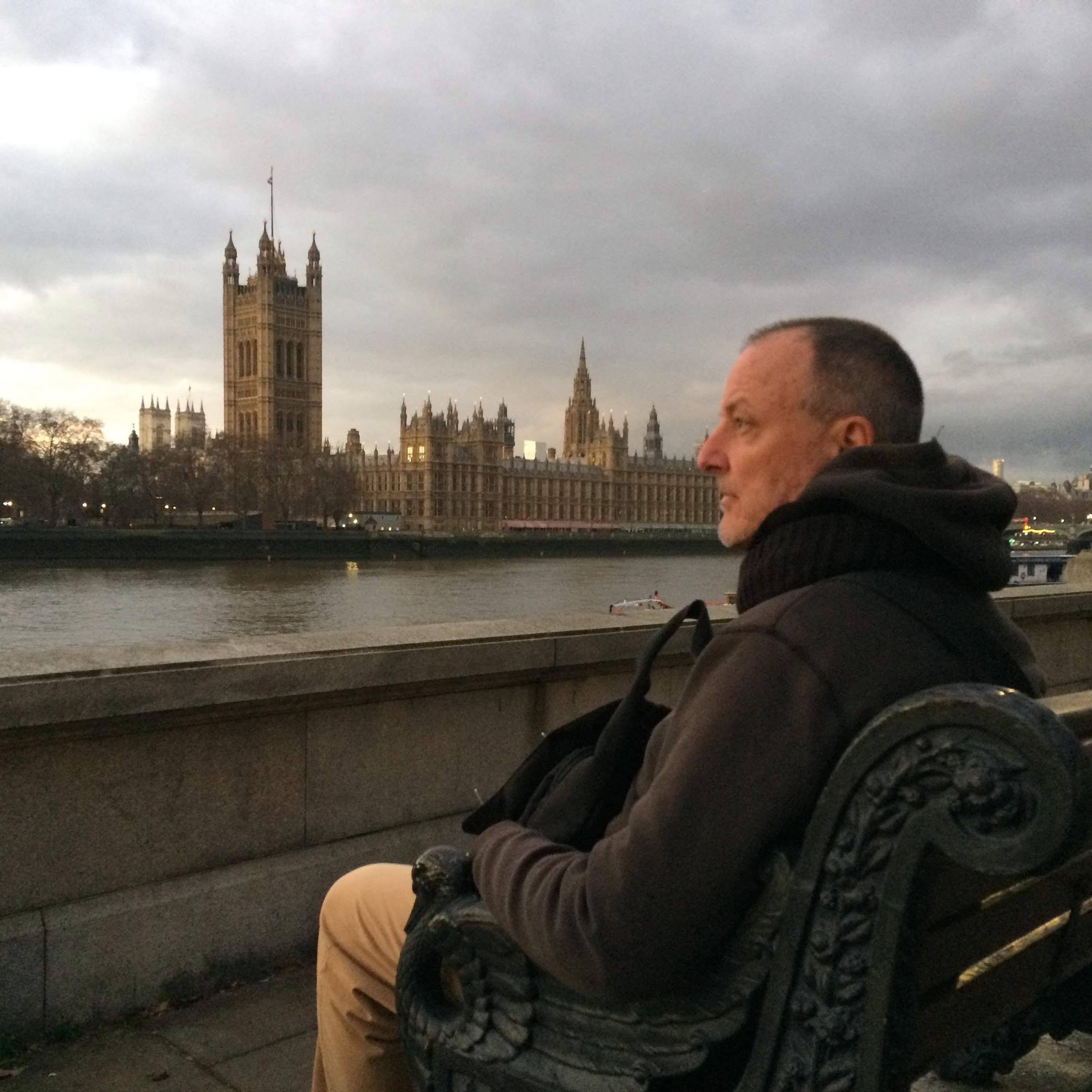
  • Are you sitting on a story you have to tell? Jess Taylor, editor and former literary agent, spills the tea about what makes compelling writing, and why people will be drawn to your unique voice.

  • Starting with Jess’s early love of stories, he recalls how at age 6 he broke his leg, and books became an escape and imagination a survival tool. Reading with his mother and watching classic movies at the revival house where he worked fueled a passion for analyzing how stories come together.

  • But, the academic approach to literature he found at Harvard and Columbia wasn’t as much fun as reading manuscripts for studios and agencies. Working with writers was even more rewarding, so Jess became an agent. Developing and selling material over ten years at Curtis Brown in New York and Endeavor in LA, he found his calling as an editor.

  • Together, we explore crafting narrative, developing plot and character, relishing language, and leveraging our curiosity. Jess brings in “incidentation”—a concept he learned from a great TV writer—and why sometimes “telling” over “showing” is the way to go. Then walks us through how to live in a story so it's real to you, to get to the place where your characters make choices before you do. That's how your story takes on its own internal drive. 

  • You’ll hear about the power of the zero draft (just talk it out!), the best way to test-drive your ideas, when it’s time to work with an editor and how to find the right one, and the evolving role of AI in the writing process.

  • The key takeaway: Have fun realizing your story. What's not fun to write isn't fun to read. 

TESS'S TAKEAWAYS

  • Begin by beginning. You can only understand your story fully by writing it. 

  • The art of storytelling is deciding what to include and what to omit.

  • Great stories are not about words and themes, they’re about experiences.

  • Writing is a process of successive approximations. Trust your instincts, but verify.

  • The match between story and storyteller is essential. That's how you test your story.

  • Character and plot develop together when people act and reveal who they are.

  • Cast your characters and imagine the dialogue performed to construct your world.

  • Finding your voice is an experimental process. Writing can be learned, but not taught.

ABOUT JESS

Jess Taylor is an editor collaborating with novelists, biographers, memoirists, screenwriters, and journalists. 

After graduating from Harvard, Jess got a masters in English and Comparative Lit at Columbia, then launched into a PhD. Academia and narrative studies wasn’t about the nuts and bolts of storytelling, so he shifted to a career as a literary agent, at Curtis Brown, Ltd. in New York, and then at Endeavor in Los Angeles.   

Representing writers for publishing, film and TV, he focussed on working with clients in the development of their projects. Bookending his ten-year run were Peter Hedges’s What’s Eating Gilbert Grape and Rex Pickett’s Sideways, and the movie adaptations of those first novels.  

Since making the move to independent editing, he’s worked closely with fiction and non-fiction writers from Gregg Hurwitz and Nicole Galland to Nancy Stout, Cyrus Copeland, and Tess Masters.