

Get what you want and
want what you get
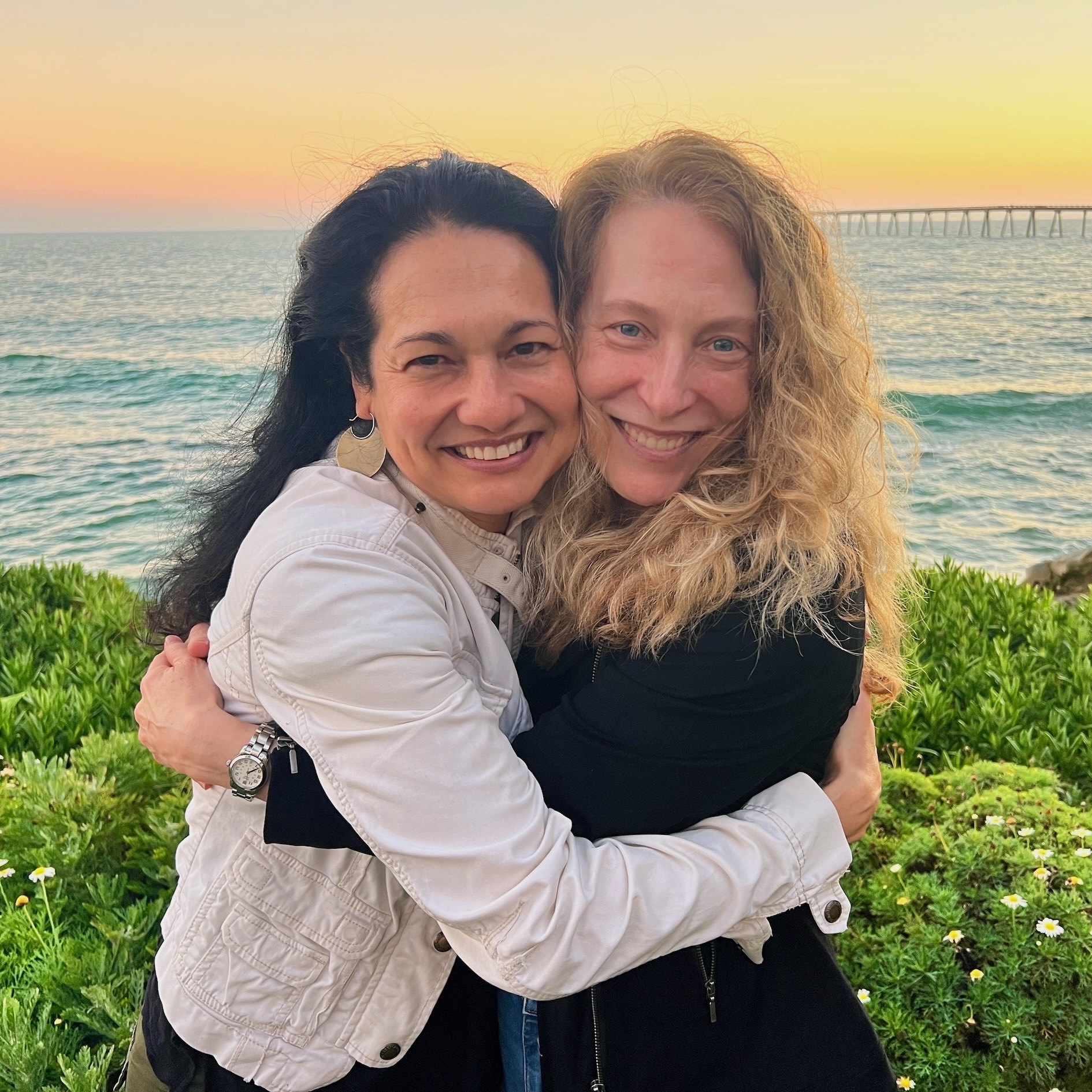
Elizabeth Jurgensen
Episode #99: March 26th, 2026
in THIS EPISODE
Struggling to make a dent in your goals for the New Year again? Educator and coach Elizabeth Jurgensen explores with me how annual resolutions have turned rituals of renewal into rituals of failure, and outlines a more sustainable, grounded approach to change.
Tracing the surprising history of resolutions, she starts at their origins, millennia ago, in rituals centered on agriculture, responsibility, and community. Those practices evolved into our contemporary intention of making a fresh start with the incoming year. When we don’t become better versions of ourselves immediately, we see it as failure.
Elizabeth lays out how societal and familial conditioning steer us toward things we “should” want rather than those we genuinely desire, and how we get used to letting grief, shame, and regret drive our choices.
Many of us think of resolutions as punishment, atonement, or restitution. Elizabeth proposes that we break out of that mindset, focus on integration, and reframe the pursuit of goals as exploration and experimentation.
Using Elizabeth’s analogy of a garden, we discuss how transitions require patience, attention, and responsiveness to changing conditions. When we insist on rigid timelines, perfection, or outside expectations, we focus on the weeds. “Tending” things allows room for flexibility and compassion, and opens up more possibilities.
Key takeaway: Reaching our goals doesn’t mean starting over.
TESS'S TAKEAWAYS
Internalized capitalism has turned self-improvement into a job.
All-or-nothing thinking leads to inconsistency, burnout, and self sabotage.
Desire-based goals have intrinsic drive.
Avoidance-based goals push energy to repression.
To figure out what you most desire, dwell in curiosity and possibility.
Progress framed as tending rather than fixing or achieving is more effective.
Rest, reflection, and integration are necessary transition points, not signs of failure.
Motivation increases when goals consider community impact, not just individual benefit.
ABOUT ELIZABETH
With a thirst for learning and achieving, Elizabeth has had multiple careers applying herself to education, research, and disciplined practice.
Her post-college years were focused on the performing arts, as an actress and dancer. Moving to the corporate world, she got a business degree and worked in finance. Her next pivot was to work as a fitness instructor and wellness coach.
Discovering her love for academics, she went back to school, getting a Master’s degree in a new field and teaching college students.
Debilitating injuries from a car accident and ten years’ rehabilitation, made her work impossible, and brought Elizabeth to the next major phase of her life. She embraced somatics, exploring trauma healing, relational dynamics, and embodied awareness.
The values of slowing down and turning inward, and the gifts of deep presence and self-care became central to her philosophy. She pursues them as ends in themselves, not toward goal-oriented pursuits, nor in a commercial practice.
A certified somatic educator, Elizabeth integrates insights from ancient archetypes, women’s wisdom traditions, and the interplay of masculine and feminine energies. She shares what she knows in adaptive and informal ways to guide others.